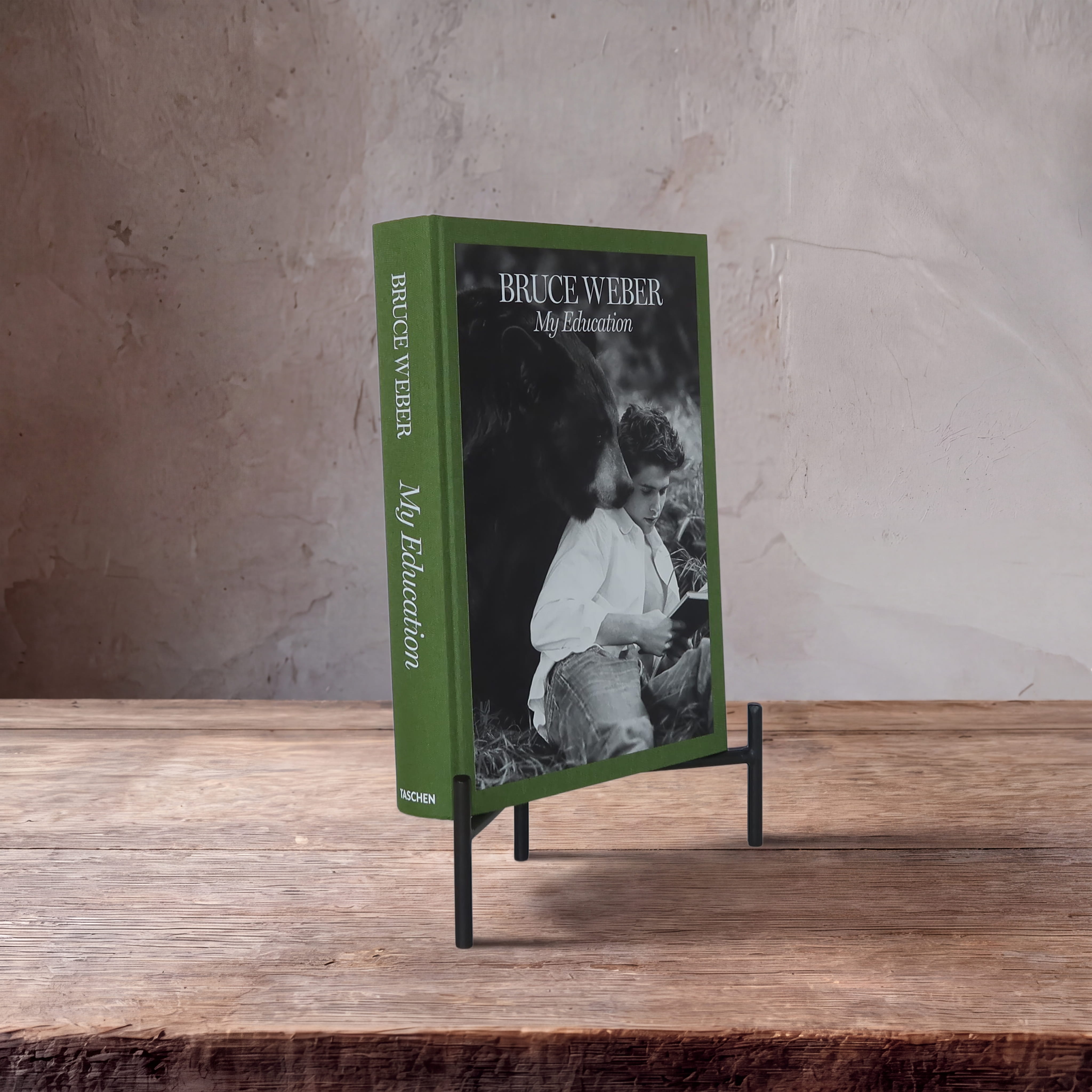
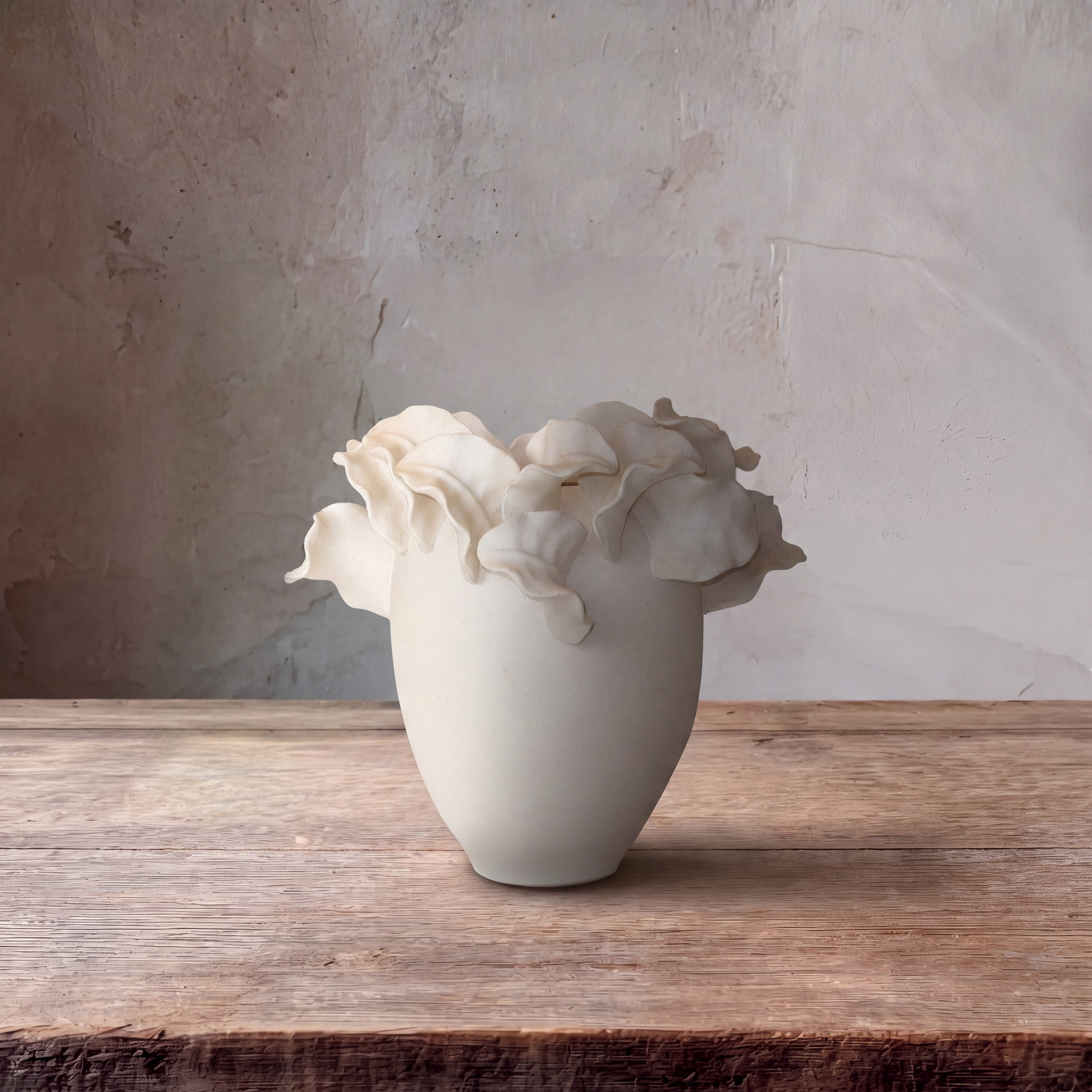
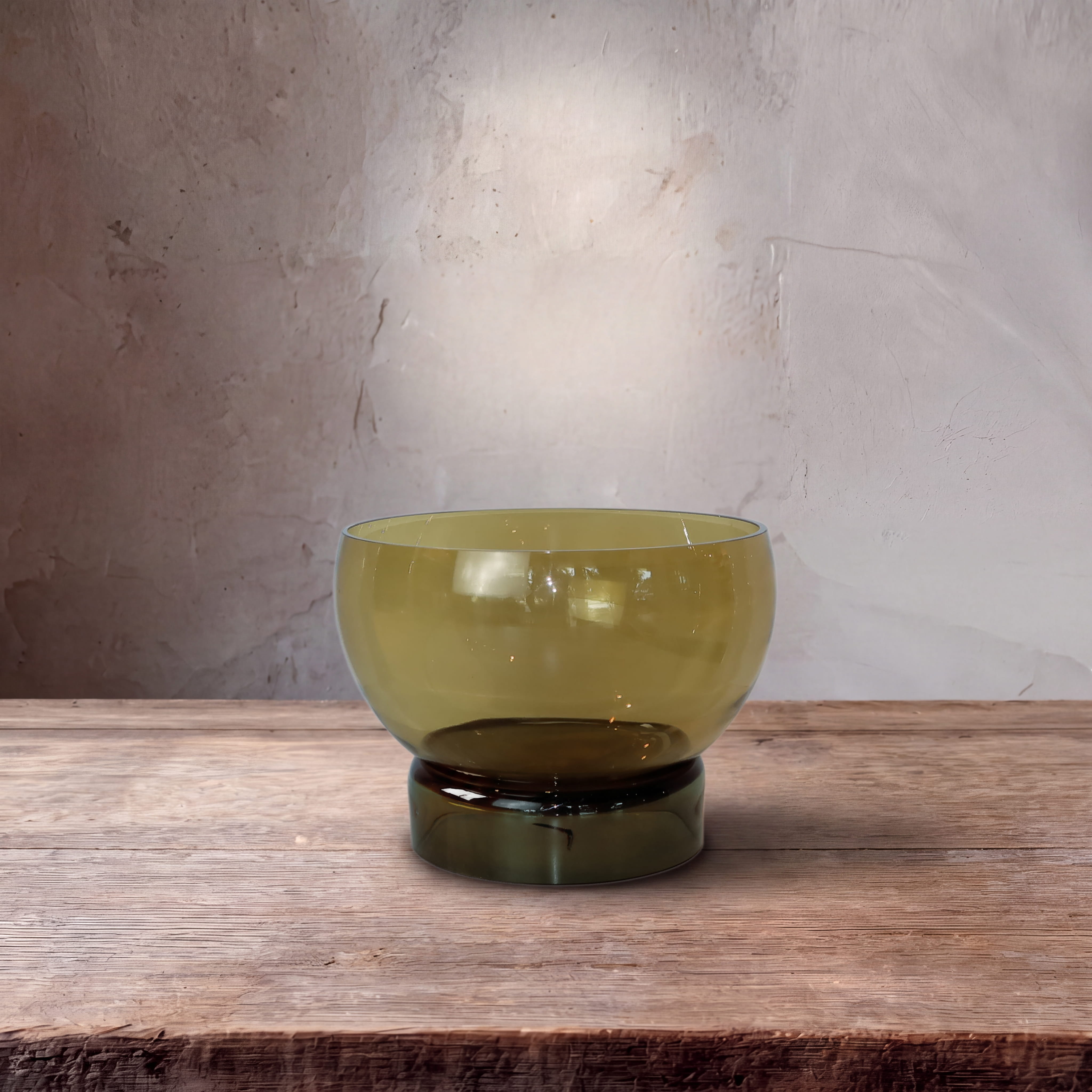
The days between the holidays and the new year are a useful design moment. The house has been full, decorated, rearranged, and asked to do more than usual. Before buying anything new, take advantage of the natural pause and edit.
This is not a deep clean or a complete reset. It is a visual inventory: what still feels right, what has accumulated, and what the room might need once the holiday layer is gone.
1. REMOVE THE TEMPORARY LAYERS FIRST
Begin with wrapping, extra serving pieces, seasonal florals that have passed their best, and anything that arrived only for entertaining. Do not style around temporary clutter. Clear it before making decisions about the room itself.
2. DO NOT AUTOMATICALLY PUT EVERYTHING BACK
When holiday décor comes down, resist restoring every object exactly where it was. Live with the room slightly emptier for a day or two. You may discover that a console looks better with two objects instead of five, or that the coffee table feels calmer without the extra bowl.
3. LOOK FOR REDUNDANCY
Do you have three small white vases on one bookshelf? Two decorative boxes serving no purpose? Several trays in the same room? Keep the strongest and move the others elsewhere. Repetition should feel intentional, not accidental.
4. NOTICE THE ROOM’S VISUAL WEIGHT
Sometimes a room feels “off” because all the substantial pieces are on one side. A large lamp, dark chair, tall plant, or heavy artwork can pull the eye. Smaller objects can help rebalance the room. A sculptural bowl, a blue glass vase, or a natural-texture vessel may be enough to give the opposite side a little presence.
5. MAKE A SHORT NEEDS LIST
Only after editing should you decide what might be missing. Perhaps the room needs one taller object, a tray to organize a table, a natural texture, or a piece of glass to add lightness. A short, specific list prevents the new-year refresh from becoming a shopping spree without a plan.
6. TAKE PHOTOS
Photograph the room from the doorway and from the places where you actually sit. A phone camera flattens the composition and makes imbalance surprisingly obvious. Look at the empty areas, crowded surfaces, and whether the eye has a clear place to land.
The year-end edit creates a useful baseline. Once the room is quiet again, January changes become easier to judge. You may find you need less than you thought.
At Studio Home, we believe a fresh start begins with seeing clearly. Clear the temporary layer, give the room a little air, and let the next decision come from what the space actually needs.