Furniture placement changes how a room works, how large it feels, where the eye travels, and whether people naturally want to use it. A few inches can matter more than a new accessory.
1. IDENTIFY THE ROOM’S REAL PURPOSE
Start with use, not symmetry. Is this room for conversation, television, reading, entertaining, or all four? The main furniture should support that purpose. A beautiful layout that forces people to twist in their seats or walk around a chair every day is not a successful layout.
2. PULL FURNITURE AWAY FROM THE WALLS
Many rooms become more intimate when at least some seating moves inward. A sofa does not automatically belong against the longest wall. Even moving it forward a few inches can create depth. In a larger room, floating furniture can define a conversation area and create circulation behind it.
3. CHECK THE CONVERSATION DISTANCE
Seating should feel connected. If chairs are too far from the sofa, people feel as though they are speaking across a lobby. If everything is compressed around the coffee table, movement becomes awkward. Adjust one piece at a time and sit in each seat before deciding.
4. PROTECT THE WALKING PATH
A room should reveal how to move through it without instructions. Walk from the entry to the primary seating, then to adjacent rooms. If you have to angle around a side table or squeeze behind a chair, the placement needs adjustment.
5. BALANCE VISUAL WEIGHT
Furniture is not balanced only by matching pairs. A dark chair can visually weigh as much as a larger pale sofa. A tall lamp or large artwork can pull the eye upward. Look at the room from the doorway: does one side feel heavier? You may be able to correct the imbalance by moving a chair, table, or floor lamp rather than buying anything.
6. RESTYLE AFTER THE FURNITURE MOVES
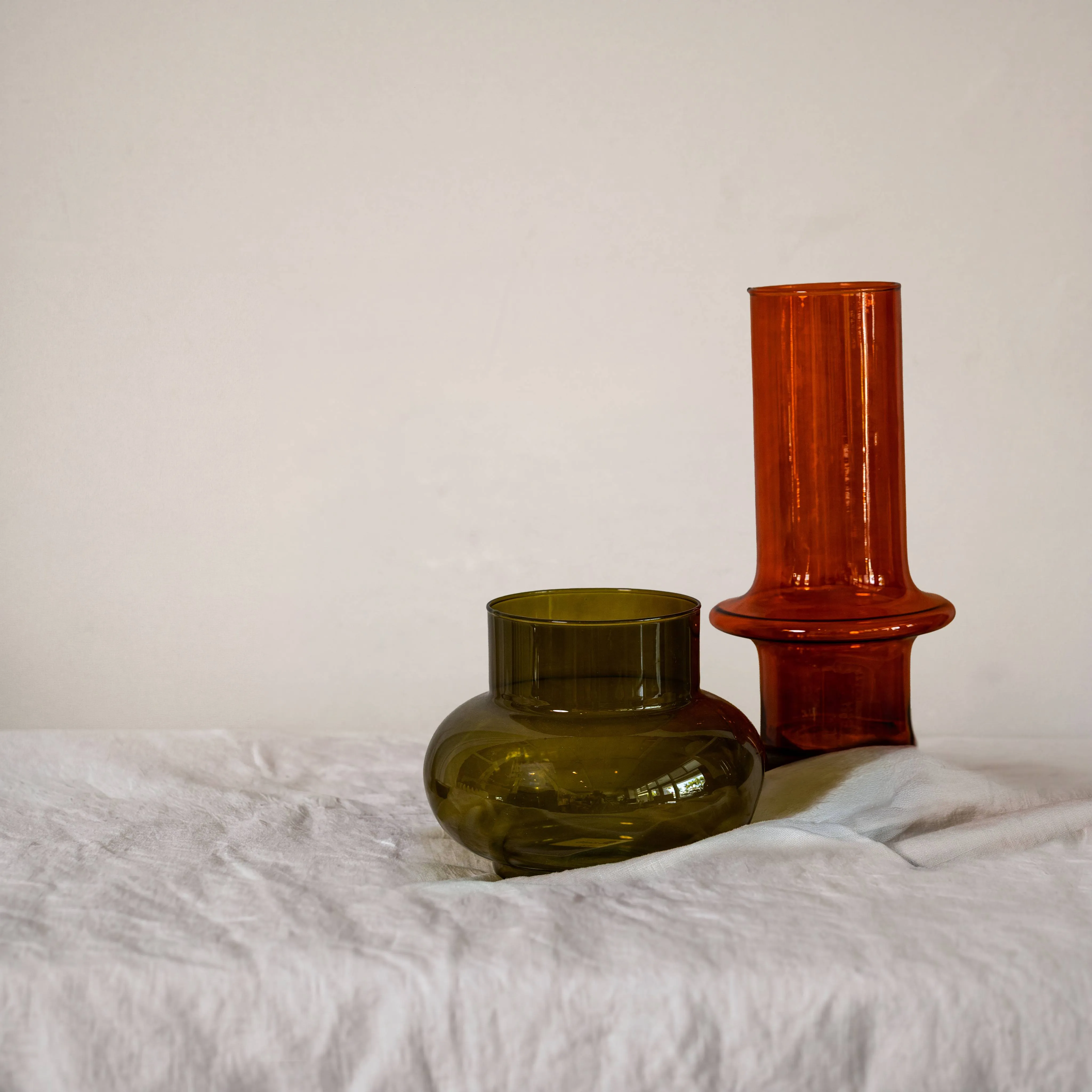
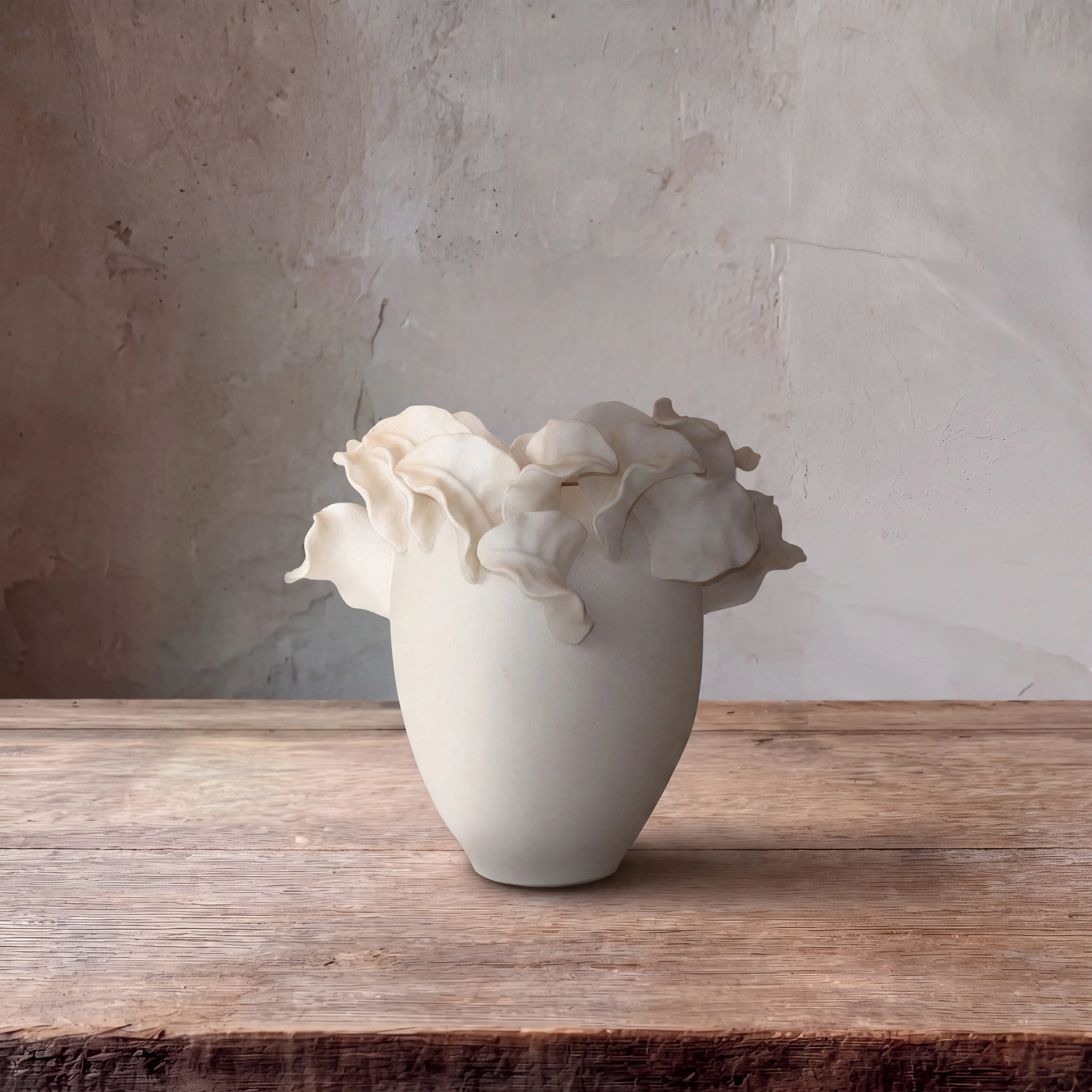
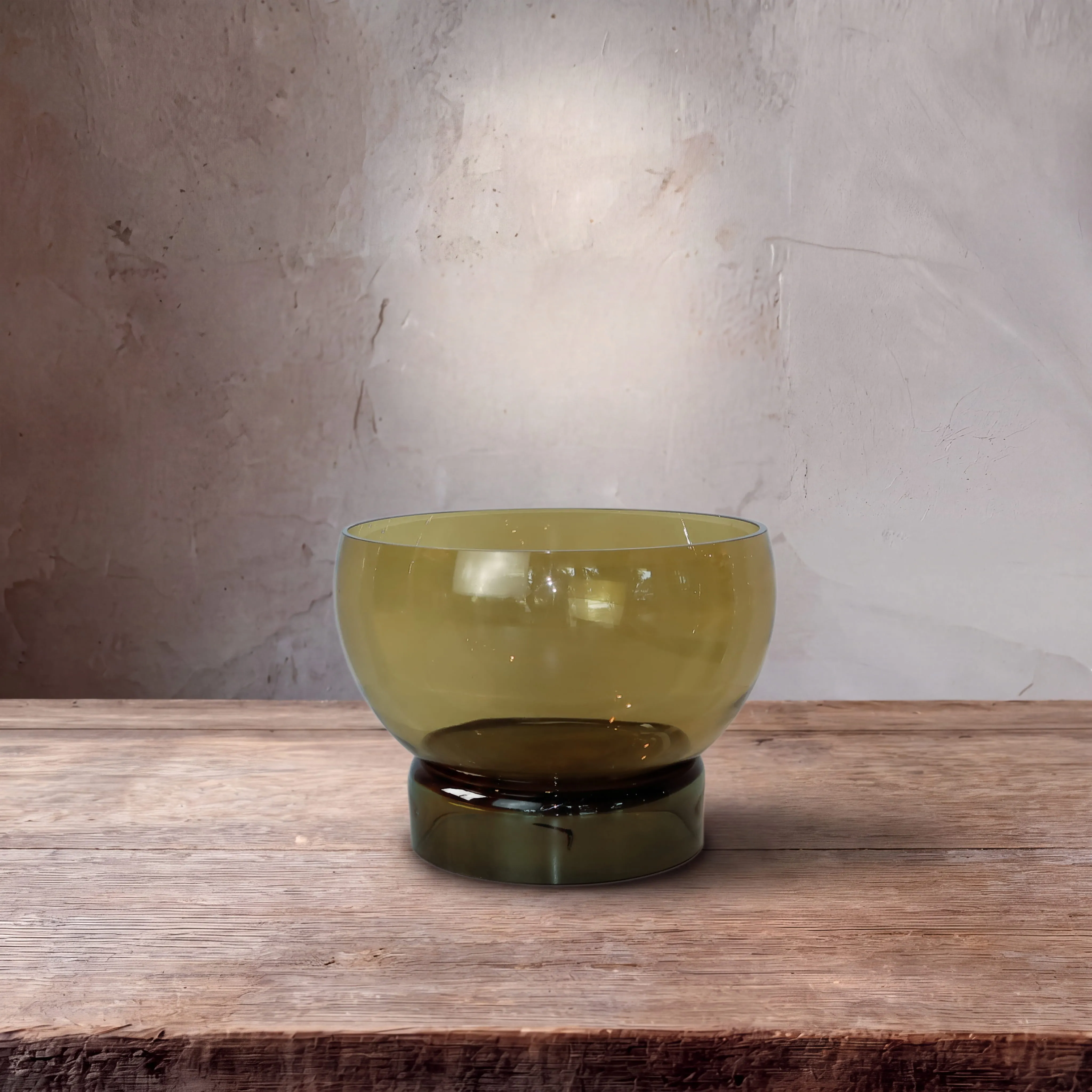
Do not move the furniture and leave every accessory in its old location. A console may now need a different object. A coffee table might be seen from a new angle. Sculptural pieces can help reinforce the new balance. A low white bowl, an offset glass vase, or a woven vessel can be used as visual punctuation after the larger arrangement is settled.
7. LIVE WITH IT FOR THREE DAYS
Furniture can feel “wrong” simply because it is unfamiliar. Give the new layout a few days of actual use. Notice where you put your drink, where the dog walks, where guests naturally sit, and whether the television or view is comfortable. Then make the final small adjustments.
A rearrangement is one of the highest-value design changes because it costs nothing and reveals what the room truly needs.
At Studio Home, we encourage clients to bring photos of their spaces precisely for this reason. Sometimes the answer is a new piece. Sometimes the answer is moving the piece you already own six inches to the left.