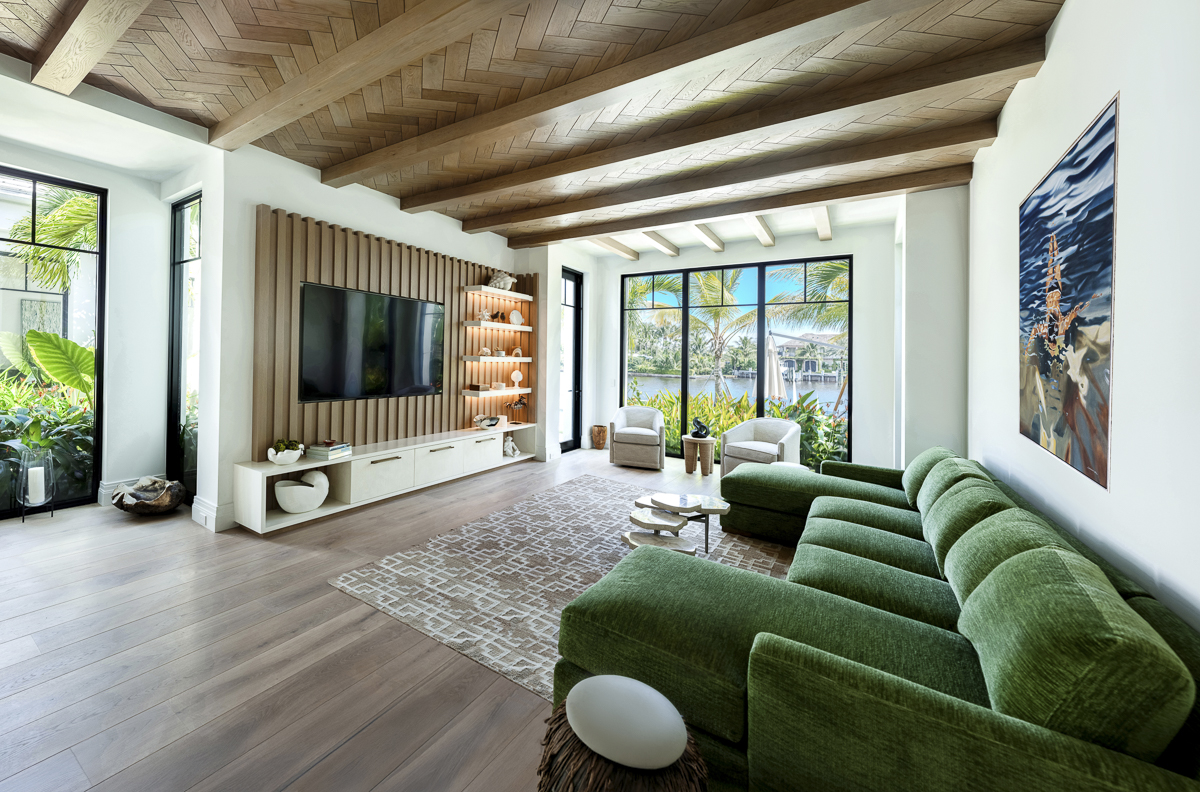
There is a point in almost every room when the large decisions are finished. The sofa is placed. The rug works. The lighting is installed. The art is hung. And yet the room can still feel unfinished.
That final difference usually comes from the smallest layer: the objects that connect the architecture and furniture to the people who live there. This is where a room stops feeling assembled and begins to feel considered.
1. ADD SOMETHING WITH A STRONG SHAPE
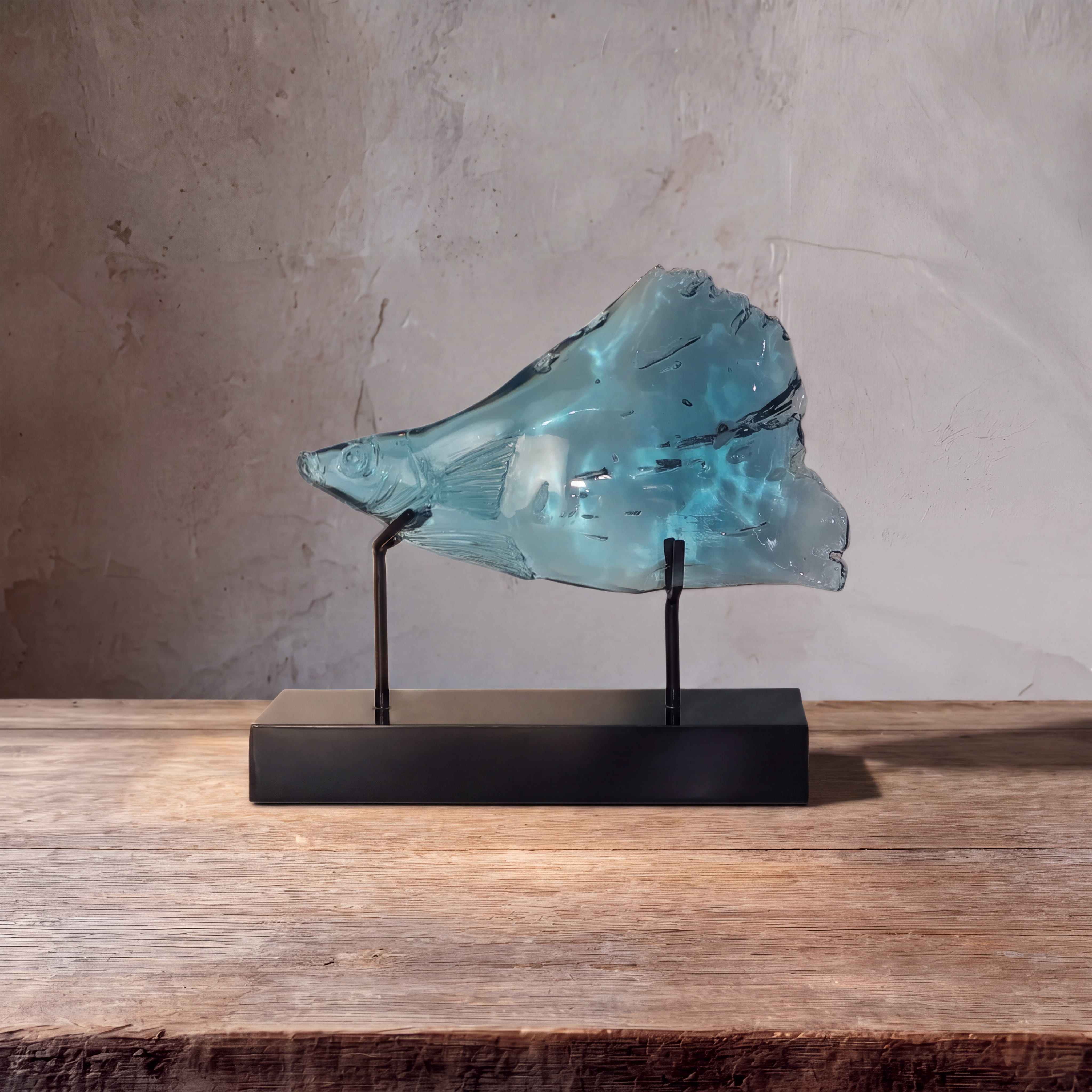
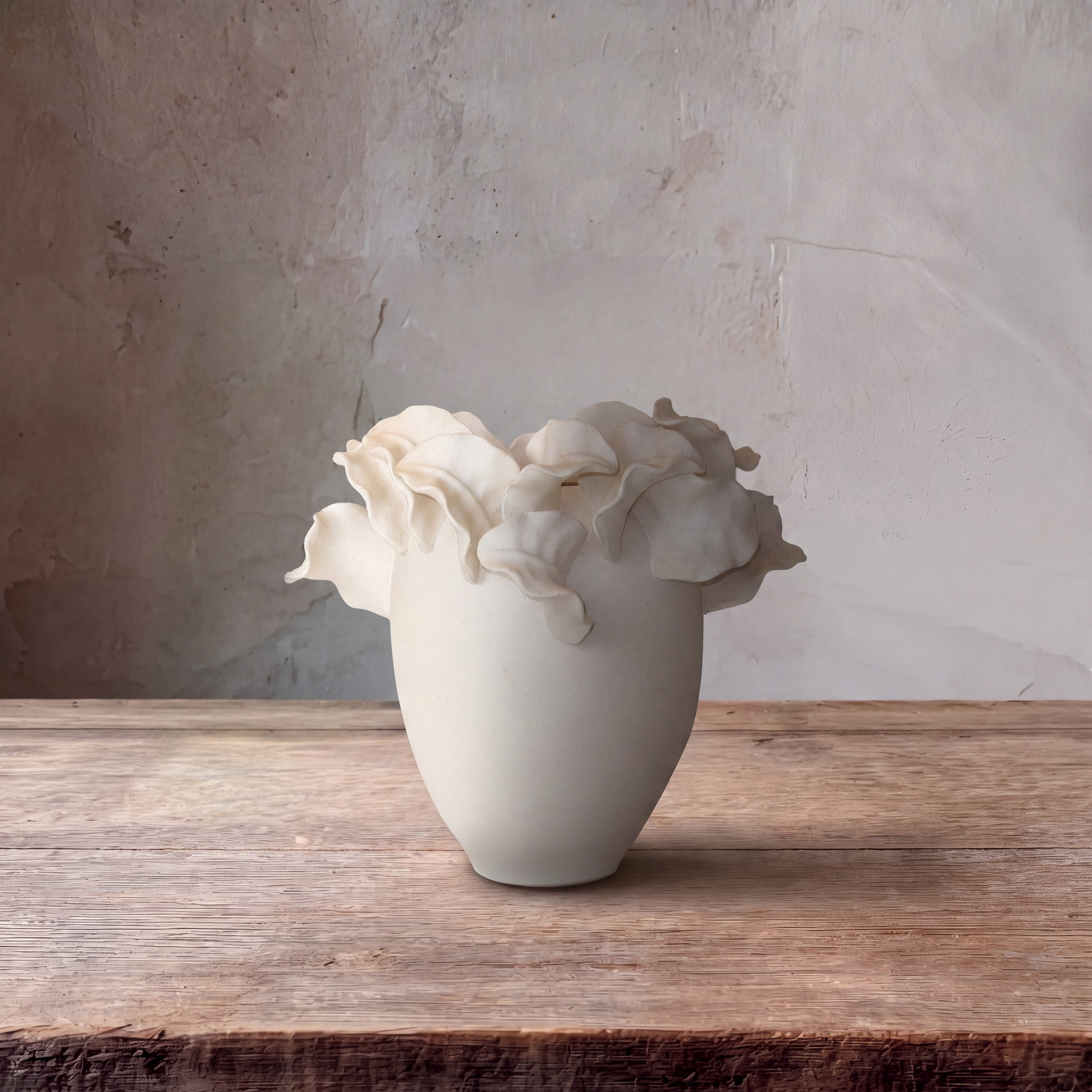
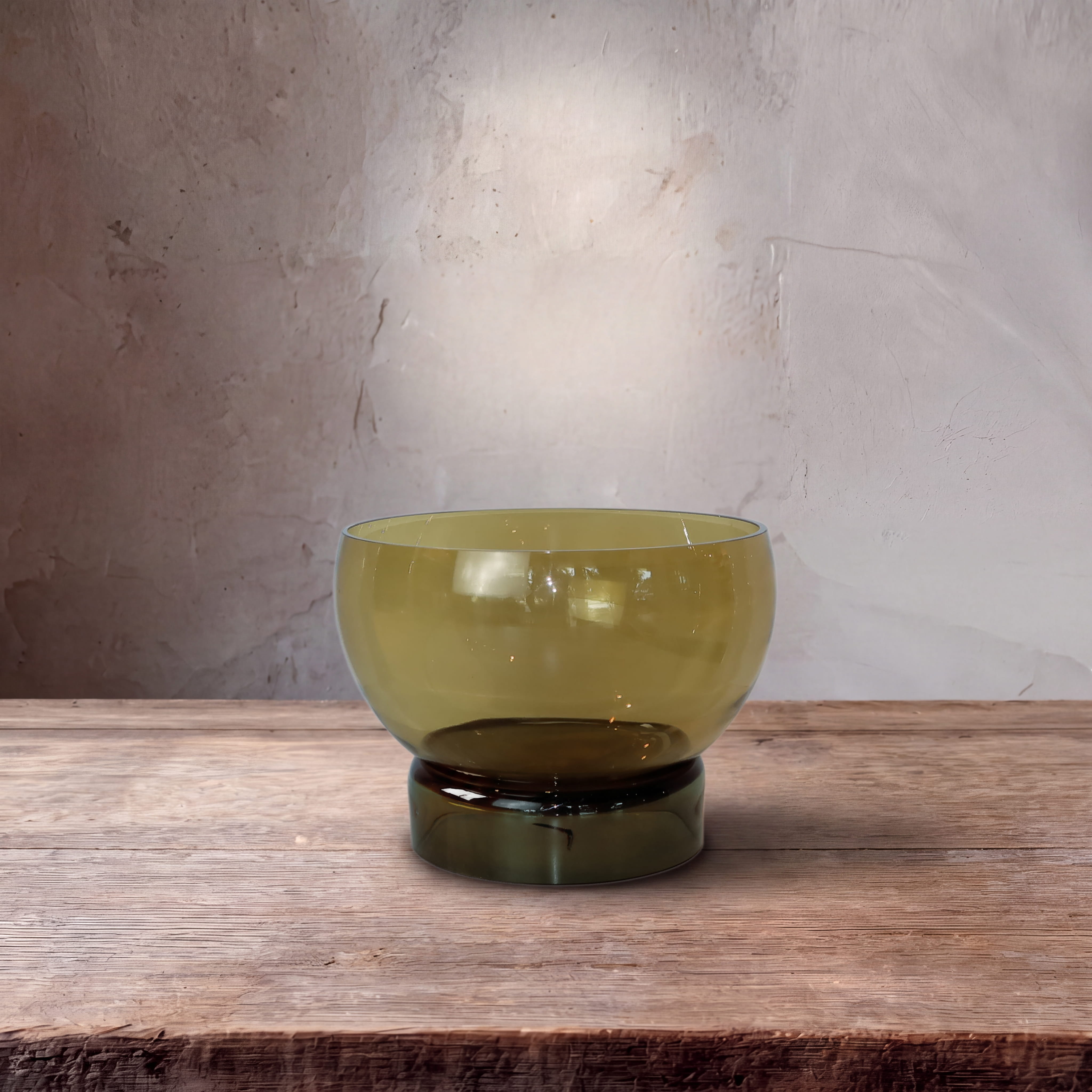
Small does not have to mean forgettable. A sculptural object can give a table or shelf a focal point without adding clutter. The Pleated White Bowl and Folded White Vessel both work because their silhouettes do most of the work. They are quiet in color but active in form.
2. GIVE FUNCTIONAL PIECES A VISUAL ROLE
Useful objects can still contribute to the room. A Ripple Glass Pitcher can live on a bar cart or dining table between gatherings. Woven Gallery Trays can corral objects on a coffee table. A decorative box can hide small everyday items while adding weight and texture to a grouping. The goal is not to disguise function—it is to choose functional pieces that deserve to remain visible.
3. CREATE ONE SMALL MOMENT OF CONTRAST
If the room is predominantly pale and smooth, add something natural. If it is heavily textured, introduce one crisp glass element. If the palette is neutral, a little cobalt or pale blue may be enough. Contrast should sharpen the room, not interrupt it.
The Cobalt Stripe Cachepot is a useful example. In a white or neutral room, it becomes a precise graphic accent. In a room that already has blue, it can reinforce the palette without introducing a new color story.
4. REPEAT MATERIALS ACROSS THE ROOM
A finishing layer feels intentional when materials appear more than once. A glass object on the coffee table can speak to a glass vessel on a console. Natural fiber on a tray can echo another woven element across the room. White ceramic pieces can form a quiet thread from one surface to another.
This repetition does not require identical pieces. In fact, it is usually better when they are not identical. The relationship should feel discovered, not prescribed.
5. KEEP A LITTLE EMPTY SPACE
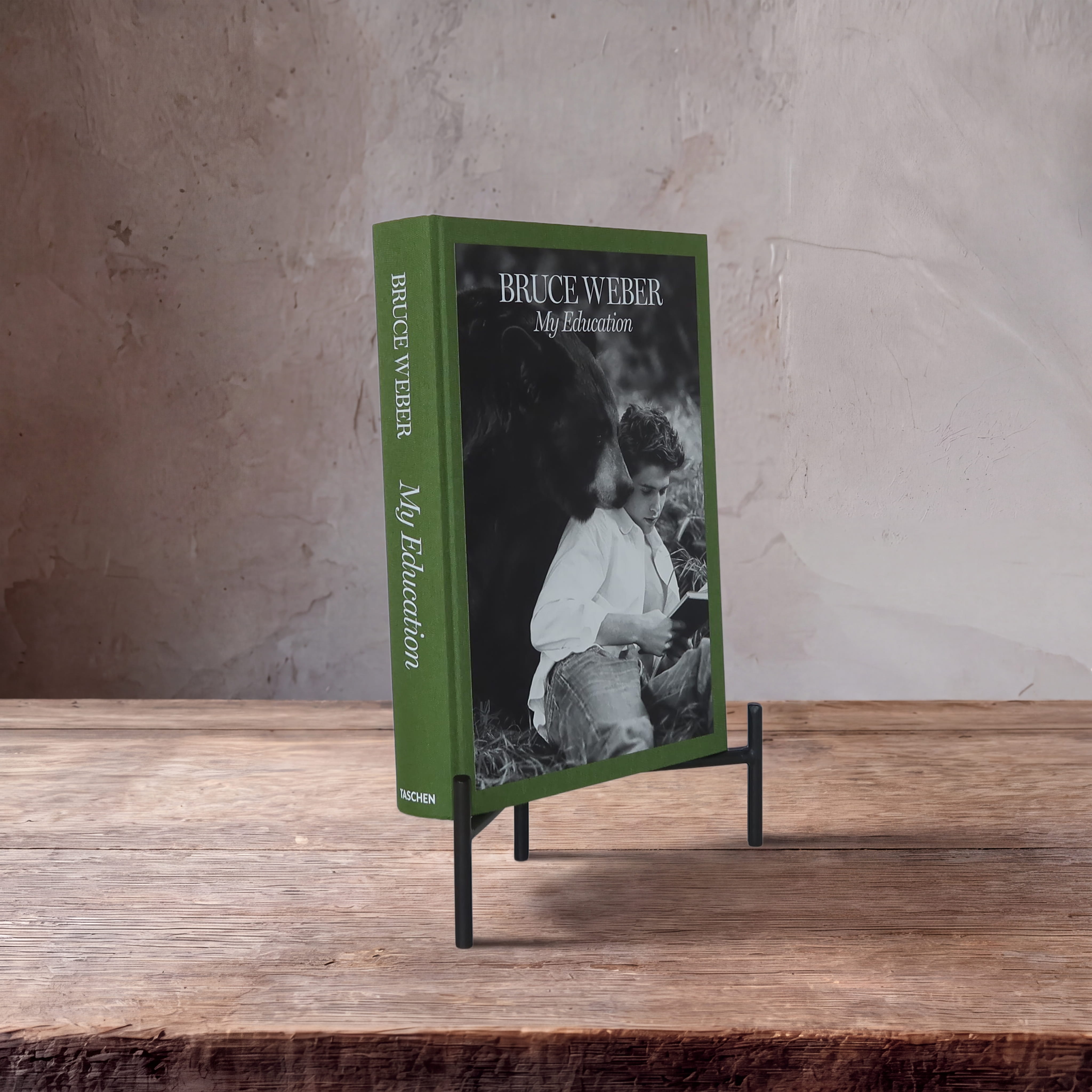
The temptation at the end of a project is to finish every surface. Resist it. Empty space is part of the composition. It allows the eye to register form, color, and material. It also leaves room for a book someone is actually reading, a drink, a vase of flowers, or the ordinary movement of daily life.
A room that feels finished is rarely a room with more things. It is a room where the things that remain have a reason to be there.
At Studio Home, we think of the finishing layer as the quietest part of design—and often the most personal. One sculptural shape, one useful object, one natural texture, one small note of color. Nothing needs to shout.